
Two neighbours in a Mumbai housing society genuinely go for their evening walk together, one wearing a chunky smartwatch that buzzes with WhatsApp notifications and takes calls, the other wearing a slim, lightweight band that’s quietly tracked her steps for three full weeks without needing a single charge. Both genuinely walk the same route, track the same steps, and monitor the same heart rate, yet they’ve made genuinely different choices based on what actually matters to them daily, constant connectivity versus effortless, long-lasting simplicity.
Here’s why this comparison genuinely deserves practical thought rather than assuming the more expensive, feature-packed option automatically wins: fitness bands and smartwatches genuinely serve overlapping but distinct purposes, one prioritises battery life, comfort, and focused health tracking, the other delivers considerably more smartphone integration and app-based functionality. Understanding which philosophy genuinely matches your daily habits determines whether you end up wearing your device consistently, or whether it sits forgotten on your bedside table because it demanded more attention than you genuinely wanted to give it.
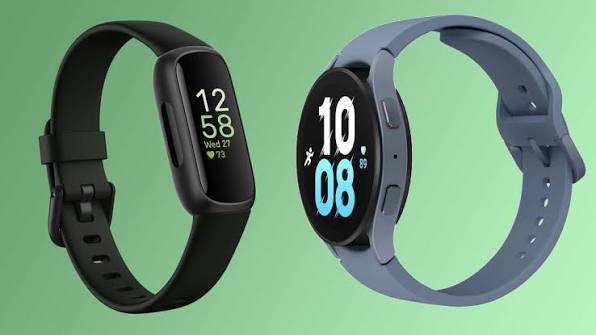
Why Fitness Bands Genuinely Deliver the Best Battery Life by a Wide Margin
This is genuinely a fitness band’s most consistent, practical advantage over smartwatches. Fitness bands typically offer 14 to 21 days of battery life, considerably longer than what most smartwatches manage, and models like the Xiaomi Smart Band and Huawei Band routinely deliver multi-week endurance that beats almost every full smartwatch on the market. This genuine advantage matters enormously for anyone who’s tired of adding yet another device to their nightly charging routine, or who’s forgotten to charge a smartwatch and missed a full day of tracking as a result.
This extended battery life genuinely stems from bands doing considerably less computationally, with smaller displays and fewer background processes running simultaneously, trading smartwatch-level functionality for genuine, dependable, low-maintenance endurance instead.
Why Smartwatches Genuinely Win on Comprehensive Smartphone Integration
It’s genuinely worth being fair to smartwatches here, since they clearly deliver capabilities bands simply cannot match. Smartwatches offer full smartphone integration, apps, calls, payments, and considerably larger, more vibrant displays ranging from 1.3 to 1.9 inches compared to a band’s more modest 1.0 to 1.8 inch screens. This means you can genuinely respond to messages, make contactless payments, and even take calls directly from your wrist without reaching for your phone, exactly the kind of daily convenience that justifies a smartwatch’s higher price and shorter battery life for many buyers.
Why Fitness Bands Genuinely Excel at Comfort and Simplicity
This matters considerably for anyone who wants health tracking without added complexity cluttering their daily routine. Fitness bands typically weigh just 26 to 35 grams, making them genuinely comfortable for round-the-clock wear, including overnight sleep tracking that bulkier smartwatches sometimes make less comfortable. Their simple, focused interface also genuinely avoids the overwhelming menu structures and notification overload that can make smartwatches feel like managing an entire second phone strapped to your wrist.
For anyone genuinely just wanting to track steps, monitor heart rate, and understand sleep patterns without needing to manage apps or respond to constant notifications, a band’s deliberately simpler approach genuinely delivers exactly what’s needed without unnecessary complexity.
Why Accuracy Genuinely Remains Comparable Between the Two Categories
This is genuinely worth understanding rather than assuming smartwatches automatically track health metrics more accurately given their higher price. Fitness bands genuinely deliver accurate step counting around 96 to 98%, and are often every bit as good at logging steps, workouts, and heart rate as devices costing over double their price. This means for core health tracking specifically, steps, heart rate, sleep patterns, you’re genuinely not sacrificing meaningful accuracy by choosing a considerably cheaper band over a premium smartwatch.
Why Advanced Training Metrics Genuinely Favour Dedicated Fitness Smartwatches
This matters specifically for serious athletes and dedicated fitness enthusiasts. Purpose-built fitness smartwatches genuinely offer considerably more sophisticated capabilities, dual-frequency GPS with offline mapping, adaptive training plans that adjust based on your recovery metrics, and dozens of built-in sport-specific tracking modes covering everything from swimming to strength training. For runners and serious athletes specifically wanting detailed training guidance rather than just basic activity logging, this specialised smartwatch category genuinely justifies its premium over both basic bands and general-purpose smartwatches.
Why Subscription Requirements Genuinely Vary Considerably Between Brands
This is a genuinely important, often overlooked factor worth checking before purchasing either category. Not every device requires ongoing payment, brands like Xiaomi, Garmin, and Amazfit generally work well without any subscription, while others lock their most advanced coaching features and detailed health insights behind a paid monthly plan after an initial free trial period ends. This genuinely matters for calculating your device’s true long-term cost, a seemingly affordable band or watch can genuinely become considerably more expensive over time if you need the subscription to access features you actually wanted.
Making the Genuinely Right Choice for Your Specific Lifestyle
If you want maximum battery life, comfortable round-the-clock wear, and straightforward, accurate health tracking without added complexity, a fitness band genuinely delivers excellent value without unnecessary features you won’t use. If you want full smartphone integration, contactless payments, and the ability to manage notifications and calls directly from your wrist, a smartwatch genuinely justifies its higher cost and shorter battery life through this considerably expanded daily functionality.
Frequently Asked Questions
Q1. Is a fitness band genuinely as accurate as a smartwatch for tracking steps and heart rate?
Yes, genuinely, quality fitness bands deliver step counting accuracy around 96 to 98%, often matching devices costing considerably more, meaning you’re not sacrificing meaningful health tracking accuracy by choosing a band over a pricier smartwatch.
Q2. Do I genuinely need to pay a monthly subscription to use these fitness devices fully?
It depends on the brand, some manufacturers like Xiaomi, Garmin, and Amazfit generally work well without any subscription, while others require a paid plan to unlock their most advanced coaching and detailed health insight features after an initial free trial period.
Q3. Why does a fitness band genuinely last so much longer between charges than a smartwatch?
Bands typically use smaller displays and run fewer background processes simultaneously, trading smartwatch-level functionality for genuinely extended battery endurance, often reaching two to three weeks compared to a typical smartwatch’s much shorter battery life.
Q4. Should serious runners genuinely choose a basic fitness band or invest in a dedicated fitness smartwatch?
Serious athletes genuinely benefit more from a dedicated fitness smartwatch, since these offer considerably more sophisticated features like dual-frequency GPS, adaptive training plans, and dozens of sport-specific tracking modes that basic fitness bands simply don’t provide.