
Watching a movie on an OLED laptop screen for the first time genuinely stops most people mid-scroll, the blacks look genuinely black rather than the greyish glow you’re used to, and colours pop with an intensity that makes your old laptop’s display suddenly feel dull by comparison. But here’s what genuinely doesn’t show up in that impressive showroom demo, spend eight hours writing documents and browsing white-background websites on that same OLED screen, and your battery genuinely drains considerably faster than it would on a standard IPS panel doing identical work.
Here’s why this comparison genuinely deserves careful thought rather than assuming OLED automatically means the better laptop: these two display technologies genuinely excel at different things, one delivers stunning visual quality and perfect blacks, the other offers consistent, predictable performance and considerably longer battery life for everyday productivity. Understanding exactly how you’ll actually use your laptop daily, watching movies and gaming versus writing documents and browsing, genuinely determines which screen technology serves you better.
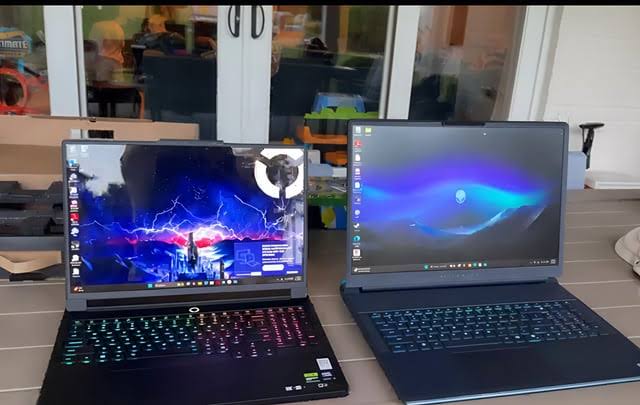
Why OLED Genuinely Delivers Superior Visual Quality
This is genuinely OLED’s defining, unmistakable advantage. OLED pixels can turn off individually, resulting in genuinely perfect blacks and no light bleed, while IPS screens always carry some backlight glow that produces greyish blacks rather than true darkness even on the best panels. This individual pixel control genuinely creates infinite contrast, since each pixel displaying black is genuinely turned off entirely rather than merely dimmed, a fundamental technical advantage IPS simply cannot replicate regardless of how much the technology improves.
Beyond contrast, OLED genuinely delivers extremely vivid colours and near-instant response times, making it genuinely ideal for gaming, video editing, and any visually immersive work where colour accuracy and motion clarity matter enormously to the final result.
Why IPS Genuinely Wins on Battery Life and Predictability
It’s genuinely worth being fair to IPS here, since it clearly wins on measures that matter enormously for daily productivity use. IPS displays consume a relatively consistent amount of power because the backlight remains constantly active regardless of what’s displayed on screen, making battery performance genuinely predictable rather than fluctuating based on content. OLED, by contrast, is genuinely dynamic, dark content uses less power since pixels turn off, but bright or white-heavy content, exactly what you’re looking at while writing documents, browsing websites, or working in spreadsheets, genuinely uses considerably more power.
This means for students, office workers, and anyone whose daily laptop use genuinely centres around white-background productivity apps rather than dark-themed media consumption, IPS’s consistent power draw often delivers genuinely better real-world battery life than an equivalent OLED laptop, even though OLED’s specifications might suggest otherwise on paper.
Why Burn-In Risk Genuinely Remains a Real, If Manageable, OLED Concern
This deserves honest treatment rather than dismissing it as outdated criticism. OLED carries a genuine potential burn-in risk when static images, taskbars, browser icons, or persistent interface elements remain displayed for extended periods, something IPS displays simply don’t experience at all given their fundamentally different backlit technology. Modern OLED laptops genuinely include protections like pixel shifting, screen savers, and panel refresh tools to mitigate this risk considerably, but it remains genuinely part of the technology’s underlying nature rather than something entirely eliminated.
This matters specifically for anyone who genuinely leaves their laptop displaying the same static content for hours, a spreadsheet, a coding environment with the same toolbar, without any screen timeout or content variation, exactly the usage pattern that genuinely increases burn-in risk over years of use.
Why Brightness Genuinely Favours IPS for Outdoor and Bright-Light Use
This matters considerably if you frequently work near windows or outdoors. IPS displays generally achieve higher maximum brightness levels compared to many OLED panels, making them genuinely more comfortable and visible in brightly lit environments or direct natural light. If you’re someone who works from cafes, near windows, or outdoors frequently, this brightness advantage genuinely matters more day-to-day than OLED’s superior contrast, which becomes considerably less noticeable when you’re squinting against glare regardless of how perfect the blacks theoretically are.
Why Cost Genuinely Remains a Significant Factor in This Decision
OLED remains genuinely among the most expensive display types available, while IPS panels offer considerably more accessible pricing across every budget tier. This cost gap genuinely matters for students and budget-conscious buyers specifically, a quality IPS laptop screen genuinely handles writing essays, researching online, video calls, and casual video watching perfectly well without needing OLED’s premium price tag, making IPS genuinely the safer, more practical choice unless visual quality specifically justifies the additional cost for your particular needs.
Why Your Actual Daily Content Genuinely Should Drive This Decision
This is genuinely the most practical framework for choosing between these two technologies. If you’re a video editor, photographer, gamer, or someone who values having the absolute best viewing experience possible, OLED’s superior contrast and colour accuracy genuinely justify its premium cost and battery trade-offs. If you’re a student, office worker, or someone whose laptop use centres primarily around documents, spreadsheets, video calls, and web browsing, a well-chosen IPS panel genuinely delivers everything you need without unnecessary expense or the battery unpredictability OLED introduces for exactly this kind of bright, white-background daily use.
Frequently Asked Questions
Q1. Is OLED genuinely worth the extra cost for someone who mainly uses their laptop for office work?
Probably not, if your daily use genuinely centres around documents, spreadsheets, and browsing rather than media consumption or creative visual work, IPS delivers everything you need at considerably lower cost with more predictable battery life, making OLED’s premium largely wasted for this specific use case.
Q2. Does OLED burn-in genuinely happen quickly, or is this an overstated concern?
It’s genuinely a real but manageable risk rather than an immediate certainty, modern OLED laptops include pixel-shifting and other protective measures, but static content displayed for extended periods over years can genuinely still cause faint burn-in marks, something IPS displays simply don’t experience at all.
Q3. Why does my OLED laptop’s battery life genuinely vary so much depending on what I’m doing?
This genuinely reflects OLED’s fundamental technology, dark content uses considerably less power since individual pixels turn off completely, while bright, white-heavy content like documents or websites requires more active pixels and genuinely drains battery faster, unlike IPS’s more consistent power draw regardless of content.
Q4. Is IPS genuinely better for outdoor use than OLED?
Generally yes, IPS displays typically achieve higher maximum brightness levels than many OLED panels, making them genuinely more comfortable and visible in bright, direct sunlight or near windows, an advantage that often matters more day-to-day than OLED’s superior contrast for anyone frequently working outdoors.