
Ask a OnePlus loyalist what genuinely keeps them coming back year after year, and you’ll almost always hear the same word, “snappy.” Ask a longtime Samsung user the same question, and they’ll genuinely talk about features, multitasking, and how their phone connects seamlessly with their tablet and smartwatch. This isn’t a coincidence, One UI and OxygenOS genuinely represent two fundamentally different philosophies about what an Android phone should feel like, and understanding which philosophy actually matches your daily habits genuinely determines which experience you’ll enjoy more, regardless of the hardware underneath.
Here’s why this comparison genuinely deserves careful thought beyond raw specs: both phones can run identical Qualcomm processors and nearly identical camera hardware, yet feel genuinely different in daily use purely because of how Samsung and OnePlus have shaped their respective software layers on top of Android. Understanding these genuine differences, rather than assuming all Android phones behave the same way, matters considerably when you’re choosing between a OnePlus and a Samsung device.
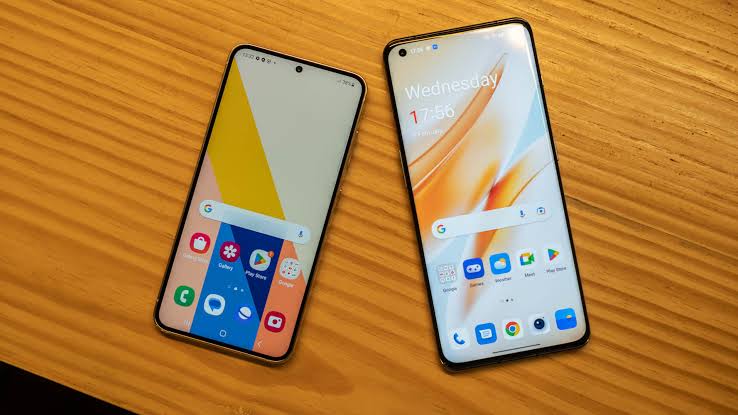
Why OxygenOS Genuinely Built Its Reputation on Speed and Simplicity
This is genuinely OxygenOS’s founding philosophy, and it still shapes the experience today. OxygenOS was designed to mimic stock Android closely while adding subtle, thoughtful enhancements, gesture navigation before Google even introduced it natively, smooth animations, and minimal bloatware cluttering your app drawer. Users consistently describe navigating OxygenOS as genuinely “snappier,” with quick, responsive transitions that feel immediate rather than sluggish, precisely the experience longtime OnePlus fans specifically sought out when they abandoned other Android skins for this cleaner alternative.
This lightweight approach genuinely appeals to users who simply want their phone to feel like Android without additional layers getting in the way, “I don’t need all those extra layers,” as one longtime user genuinely put it, “I want my phone to feel like Android, not a separate operating system.”
Why One UI Genuinely Delivers Considerably Deeper Functionality
It’s genuinely worth being fair to Samsung here, since One UI has transformed dramatically from its heavily criticised TouchWiz origins into something genuinely feature-rich. One UI 8.5 brings deep features, AI tools, and genuine productivity options like DeX, letting you plug your phone into a monitor and run multiple productivity apps side-by-side without carrying a laptop, a genuinely powerful capability for users who need their phone to function as more than just a smartphone.
This depth genuinely extends into everyday multitasking too, One UI’s split-screen views and pop-up windows offer considerably more out-of-the-box utility for power users specifically, and Samsung has genuinely refined this feature-rich approach over recent years to strike what many reviewers call a rare balance, feature-rich without feeling cluttered, a considerable achievement given how many additional tools and options One UI packs in compared to OxygenOS’s leaner approach.
Why OxygenOS Has Genuinely Changed Since the OPPO Merger
This is worth understanding as a genuine, meaningful shift rather than dismissing it as unfounded criticism. Since OnePlus integrated more deeply with OPPO’s ColorOS following their corporate merger, OxygenOS has genuinely incorporated heavier animations and additional pre-installed apps, moving away from its original near-barebones philosophy. This shift genuinely means today’s OxygenOS feels noticeably different from the stripped-down, stock-Android-adjacent experience that originally built its devoted fanbase, trading some of that original minimalism for added convenience and features borrowed from OPPO’s parallel software development.
This genuinely matters for longtime OnePlus users specifically, since the OxygenOS you’re buying into today genuinely differs from the version that earned the brand’s reputation years ago, worth knowing if that original lightweight philosophy was specifically what drew you to OnePlus in the first place.
Why Software Update Longevity Genuinely Favours Samsung
This is genuinely a significant practical consideration worth taking seriously. Samsung typically commits to considerably longer software support than OnePlus, a Galaxy device released in a given year will genuinely receive updates for several years beyond what an equivalent OnePlus device from the same launch period typically receives. This gap genuinely matters for data security, ongoing app compatibility, and resale value, particularly if you’re the kind of buyer who keeps a phone for four or more years rather than upgrading every two years.
Why Performance Sustainability Genuinely Favours OnePlus Under Heavy Load
This is where OxygenOS genuinely earns real, measurable credit. OnePlus devices genuinely focus on sustained performance with better thermal management, holding their speed longer during extended heavy gaming sessions, while Samsung devices deliver strong short bursts of power but may genuinely throttle sooner under prolonged demanding load. For daily use, both feel equally responsive, but for extended gaming sessions specifically, OnePlus’s thermal engineering genuinely gives it a practical edge that matters to serious mobile gamers.
Making the Genuinely Right Choice Based on How You Actually Use Your Phone
If you genuinely want a lightweight, fast, responsive experience without excessive features cluttering your daily use, and you don’t need deep productivity tools or cross-device ecosystem integration, OxygenOS’s leaner philosophy genuinely suits you better. If you want genuine depth, powerful multitasking, longer software support, and features like DeX that let your phone function as a genuine productivity device, One UI’s feature-rich approach genuinely justifies whatever additional complexity comes with it, particularly for users who value functionality and longevity over pure minimalism.
Frequently Asked Questions
Q1. Is OxygenOS genuinely still as lightweight and stock-like as it used to be?
Not quite as much as before, since OnePlus’s merger with OPPO, OxygenOS has genuinely incorporated more ColorOS elements, heavier animations, and additional pre-installed apps, moving somewhat away from its original near-stock Android philosophy that built its early reputation.
Q2. Which software genuinely receives longer update support, One UI or OxygenOS?
Samsung’s One UI genuinely wins here, Samsung typically commits to considerably longer software support for its devices compared to OnePlus, a meaningful consideration if you plan to keep your phone for several years rather than upgrading frequently.
Q3. Is One UI genuinely too complicated for someone who just wants a simple phone experience?
Not necessarily, while One UI does offer considerably more features than OxygenOS, Samsung has genuinely refined the interface over recent years to remain intuitive despite its depth, though users specifically seeking minimal complexity may still find OxygenOS’s leaner approach more immediately comfortable.
Q4. Does OnePlus’s better gaming performance genuinely matter for someone who doesn’t game much?
Probably not significantly, OnePlus’s thermal management advantage genuinely shows up during extended, demanding gaming sessions specifically, but for typical daily use, browsing, messaging, and casual app use, both One UI and OxygenOS genuinely feel equally fast and responsive.