
A 55-year-old shopkeeper in Ahmedabad genuinely gets diagnosed with type 2 diabetes suddenly, despite having no family history and maintaining what he considered a reasonably healthy weight, and his doctor genuinely orders additional tests specifically because new-onset diabetes after age 50 sometimes signals something considerably more serious happening in the pancreas itself. This exact scenario genuinely illustrates why understanding this small, unassuming organ matters enormously, especially in India, where diabetes has genuinely become one of the nation’s most significant health challenges.
Here’s why these facts genuinely deserve your attention beyond casual interest: the pancreas sits quietly behind your stomach, rarely mentioned in everyday health conversations, yet it genuinely controls blood sugar regulation for the world’s largest diabetic population and plays a genuinely central role in digestion that most people never think about until something goes wrong.
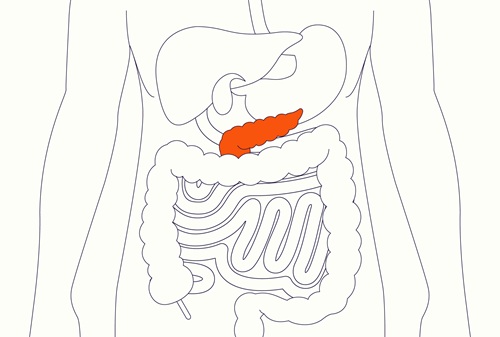
1. Your Pancreas Genuinely Performs Two Completely Different Jobs Simultaneously
This dual function deserves clear understanding since it explains everything else about pancreatic health. The pancreas produces enzymes and hormones that help you digest food, one of these hormones, insulin, is genuinely necessary to regulate glucose throughout your body. This means your pancreas genuinely juggles digestive enzyme production alongside hormone regulation, a remarkable dual responsibility packed into one relatively small gland.
2. India’s Diabetic Population Genuinely Grew Nearly Threefold in Just Three Decades
This trajectory genuinely illustrates the scale of India’s diabetes epidemic. The estimated number of diabetes patients in India was 19.4 million in 1995, projected to reach 57.2 million by 2025, according to WHO estimates. This genuinely staggering growth reflects how rapidly diabetes has expanded across India, driven substantially by urbanisation, changing diets, and reduced physical activity over just a few decades.
3. Type 2 Diabetes Genuinely Accounts for 90% of All Diabetes Cases Worldwide
This proportion deserves understanding since it shapes how most diabetes prevention and management conversations should genuinely focus. Type 2 diabetes is the predominant form of diabetes worldwide, accounting for 90% of cases globally, occurring when your pancreas loses the ability to secrete enough insulin in response to meals, or your body simply doesn’t use available insulin effectively.
4. Insulin Genuinely Functions Like a Key Unlocking Your Cells for Energy
This analogy genuinely helps explain diabetes mechanics in simple terms. Think of insulin as a lock to the cell, insulin must genuinely open the cell to allow it to use glucose for energy. If your pancreas doesn’t make enough insulin, or your body doesn’t use it effectively, glucose builds up in your bloodstream while your cells remain genuinely starved for the energy they need, precisely the mechanism underlying diabetes.
5. Chronic Pancreatitis in India Genuinely Differs From Western Countries in Its Primary Cause
This distinction deserves specific attention for Indian readers particularly. While alcohol abuse predominantly causes chronic pancreatitis in Western countries, the condition is genuinely idiopathic in India, meaning the exact cause often remains unidentified rather than clearly tracing back to alcohol consumption the way it typically does elsewhere.
6. Kerala Genuinely Shows a Unique Historical Link Between Pancreatitis and Diabetes
This regional connection deserves particular interest for understanding India’s diverse disease patterns. A community-based study from Kerala genuinely estimated chronic pancreatitis prevalence at 125 per 100,000 people, in a population genuinely known to have high rates of insulin-dependent diabetes, itself a documented complication of pancreatitis. This genuine regional pattern suggests distinct local factors influencing how these two conditions interact within specific Indian populations.
7. Pancreatic Diabetes Genuinely Gets Frequently Misdiagnosed as Type 1 or Type 2
This deserves attention since it affects proper treatment approach. Pancreatic diabetes, also called pancreatogenic or type 3c diabetes, is often misdiagnosed as either type 1 or type 2 diabetes, despite involving a genuinely distinct mechanism, direct damage to pancreatic tissue itself rather than immune system attack or simple insulin resistance. This misdiagnosis genuinely matters since treatment approaches can differ considerably once the true underlying cause is properly identified.
8. Diabetes Lasting More Than Five Years Genuinely Increases Pancreatic Cancer Risk
This connection deserves serious attention for long-term diabetics specifically. Diabetes can increase your risk of pancreatic cancer if you’ve had diabetes for more than five years, representing a genuine, documented association worth discussing with your doctor as part of ongoing diabetes management rather than something to overlook after years of stable blood sugar control.
9. New-Onset Diabetes After Age 50 Can Genuinely Signal an Underlying Pancreatic Problem
This deserves particular emphasis given how it can change diagnostic thinking. Diabetes can also be a symptom of pancreatic cancer, especially if you develop type 2 diabetes after age 50. This genuine connection is precisely why doctors sometimes investigate further when diabetes appears suddenly later in life without typical risk factors, since it occasionally represents an early warning sign rather than a standalone metabolic diagnosis.
10. Pancreatitis and Type 2 Diabetes Genuinely Share Overlapping Risk Factors
This connection deserves understanding since managing one condition can genuinely help protect against the other. Pancreatitis and type 2 diabetes share some of the same risk factors, and chronic inflammation of the pancreas can genuinely damage the very cells that produce insulin, meaning addressing lifestyle factors that reduce pancreatitis risk, moderating alcohol consumption, managing triglyceride levels, genuinely offers dual protective benefit for both conditions simultaneously.
Frequently Asked Questions
Q1. Why did my doctor order extra tests after I was suddenly diagnosed with diabetes in my 50s?
This is a genuinely sensible precaution, since new-onset diabetes after age 50 can occasionally signal an underlying pancreatic issue including pancreatic cancer, making additional investigation a reasonable step to rule out this less common but genuinely important possibility.
Q2. Is pancreatic diabetes genuinely different from the regular type 2 diabetes most Indians develop?
Yes, genuinely different, pancreatic diabetes involves direct damage to pancreatic tissue itself, often from pancreatitis, while type 2 diabetes typically develops from insulin resistance and reduced insulin production without that same direct organ damage, though pancreatic diabetes is frequently misdiagnosed as one of the more common types.
Q3. Does having diabetes for many years genuinely mean I should worry about pancreatic cancer?
It’s genuinely worth discussing with your doctor rather than panicking, since diabetes lasting more than five years does show an documented association with increased pancreatic cancer risk, making this a reasonable topic to raise during your regular diabetes management checkups rather than a cause for immediate alarm.
Q4. Can managing my pancreatitis risk genuinely also help protect me from developing diabetes?
Yes, genuinely, since these conditions share overlapping risk factors and pancreatic inflammation can directly damage insulin-producing cells, addressing factors like alcohol moderation and healthy triglyceride levels genuinely offers protective benefit against both conditions simultaneously rather than being separate, unrelated health goals.