
South Africa refuses to fit into one neat description. A Saturday may mean surfing near Cape Town, shopping in Johannesburg, attending a family gathering in Durban or preparing a braai in a suburban garden. Conversations shift between languages, food changes from one community to another, and modern city life exists alongside powerful local traditions. To understand the country, you must look beyond safari holidays and scenic photographs.
This is especially valuable for Indians because South Africa has a historic and influential Indian-origin community, particularly in and around Durban. Familiar spices, religious festivals and family values can make parts of the country feel surprisingly close to home. However, everyday life also involves unfamiliar transport systems, safety habits, workplace customs and social expressions. These 10 facts about South African lifestyle provide a practical introduction without treating its highly diverse population as one uniform group.
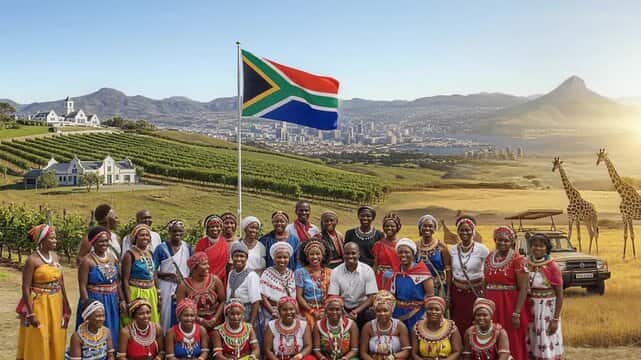
1. Diversity Is Visible in Ordinary Conversation
South Africa has 12 official languages, including South African Sign Language. English is widely used in business, education and tourism, but it is not the main home language for most residents.
Zulu, Xhosa, Afrikaans, Sesotho and other languages shape local identities and daily communication. People may switch naturally between two or three languages during one conversation. Visitors are not expected to become multilingual, but learning a greeting in the locally dominant language is often warmly appreciated.
2. A Braai Is More Than a Barbecue
A braai is one of South Africa’s best-known social traditions. Meat and other foods are cooked over an open wood or charcoal fire while friends and relatives talk, relax and spend time together.
The gathering matters as much as the meal, so a braai is rarely rushed. Guests may be asked to bring their own drinks, meat or a side dish. Vegetarians should inform the host beforehand so vegetables, plant-based products or separate cooking arrangements can be prepared.
3. Outdoor Living Comes Naturally
South Africa’s climate and varied landscape encourage an active outdoor lifestyle. Hiking, running, surfing, cycling, camping and beach visits are popular in different regions.
City residents also use public parks, gardens and outdoor markets for weekend recreation. Sun protection is essential because ultraviolet exposure can be strong even when the temperature feels comfortable. Hikers should select established routes, check local safety advice and avoid isolated areas when conditions are uncertain.
4. Family and Community Networks Matter
Family extends beyond the people living under one roof. Grandparents, cousins, family friends and neighbours may all participate in childcare, celebrations and practical support.
The idea of Ubuntu, commonly associated with shared humanity and mutual care, captures an important social value. It does not mean that every community functions identically, but cooperation and personal relationships often influence how people manage challenges. Indian readers may recognise this reliance on extended networks.
5. Sport Creates Instant Conversation
Rugby, football and cricket attract passionate support across the country. Major matches can dominate television schedules, social gatherings and workplace conversations.
Cricket provides an easy connection for Indian visitors, while rugby offers an opportunity to understand another major part of South African sporting culture. Running, cycling and school sports are also popular. Asking someone about a local team can open a friendly conversation more easily than beginning with sensitive political or social topics.
6. Food Reflects Centuries of Cultural Exchange
South African cuisine combines Indigenous, African, Dutch, Malay, Indian and other influences. Commonly discussed foods include pap, chakalaka, bobotie, boerewors, bunny chow and various grilled meats.
Durban’s Indian influence is particularly visible in curries and bunny chow, a dish consisting of hollowed bread filled with curry. The country also has strong café and restaurant cultures in major cities. Vegetarian options are increasingly available, although traditional shared meals may still focus heavily on meat.
7. Time Expectations Depend on the Occasion
Professional appointments generally require punctuality, particularly in corporate offices and formal services. Social events, however, may operate with more flexibility depending on the host and community.
The safest approach is to arrive on time or ask clearly when guests are genuinely expected. A stated party time may not always mean the meal begins immediately. If you are delayed, sending a message is courteous and prevents the host from wondering whether you are still coming.
8. Private Cars Are Important in Many Areas
Public transport availability varies considerably. Gautrain services, buses, minibus taxis and ride-hailing applications support travel in certain urban locations, but not every neighbourhood is equally connected.
Many households rely on private cars because cities can be spread out and daily destinations may lie far apart. New residents should evaluate commuting distance before choosing accommodation. A home with lower rent may become less economical if transport is expensive or time-consuming.
9. Safety Awareness Is Part of Daily Planning
Residents commonly make practical safety decisions without allowing fear to control their entire lifestyle. They may avoid displaying expensive devices, choose secure parking, lock doors carefully and check a route before travelling.
Conditions differ greatly between neighbourhoods, so broad assumptions are unhelpful. Local advice from trusted residents, hotels, employers or universities is valuable. Visitors should avoid walking alone in unfamiliar isolated places, particularly after dark, and use reputable transport services.
10. Social Warmth Often Begins Informally
South Africans are frequently comfortable with friendly greetings, humour and relaxed conversation. Terms such as howzit may be used casually to mean “How are you?” Communication can feel open, especially once a common interest is found.
However, the country’s complex history means discussions about race, inequality and politics require sensitivity. Newcomers should listen before making comparisons or generalisations. Respectful curiosity is welcomed, while stereotypes about Africa or its communities can quickly create offence.
Frequently Asked Questions
Q1. Is South Africa comfortable for Indian travellers?
Yes. English is widely used, Indian food is readily available in major cities, and the Indian-origin community provides cultural familiarity. Sensible safety and transport planning remain important.
Q2. Which South African city has the strongest Indian influence?
Durban and the surrounding KwaZulu-Natal region have the country’s largest concentration of people of Indian descent. Visitors can find Indian restaurants, markets, temples, mosques and cultural events there.
Q3. Is South Africa suitable for vegetarians?
Vegetarian food is accessible in major cities and tourist areas. Indian restaurants offer many choices, but guests attending a braai should inform the host early because the main menu may focus on meat.
Q4. What should visitors avoid doing in South Africa?
Avoid displaying valuables carelessly, walking through unfamiliar isolated areas at night and making simplistic comments about race or poverty. Follow neighbourhood-specific advice from reliable local contacts.