
Someone excitedly orders a batch of smart switches for their Mumbai apartment, only to discover during installation that their 1960s-era wiring has no neutral wire at the switch box, a genuinely common problem in older Indian construction that several popular smart switch models simply cannot work around. This exact scenario plays out repeatedly across Indian homes, and understanding this constraint upfront, before you’ve already purchased and unboxed a dozen switches, genuinely saves you from a frustrating, expensive mistake.
Here’s why this comparison genuinely deserves careful thought beyond just “smart is better than dumb”: smart switches genuinely deliver real convenience and automation that regular switches simply cannot match, but they come with genuine wiring requirements, ongoing app dependencies, and a meaningfully higher cost that doesn’t suit every room or every budget. Understanding exactly where smart switches genuinely earn their premium, and where a regular switch remains perfectly adequate, matters before you commit to automating your entire home.
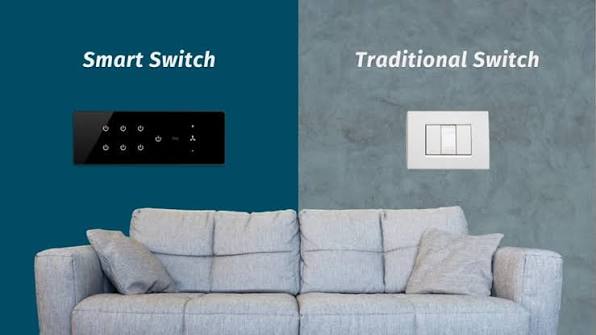
Why Smart Switches Genuinely Deliver Control Regular Switches Simply Cannot
This is genuinely smart switches’ core value proposition. Smart switches let you control lights and appliances even when you’re away from home, checking whether you left something on and switching it off remotely through your smartphone, a genuine convenience regular switches offer no equivalent for whatsoever. Beyond remote control, smart switches genuinely support scheduling and automation, creating timers, schedules, or motion-based scenarios that turn on your porch light automatically at sunset or switch off your bedroom lights ten minutes after you’ve gone to bed.
This automation genuinely extends beyond simple lighting too, modern smart switches designed specifically for Indian households can control fan speed, geysers, and other appliances through your phone or voice assistant, letting you adjust a ceiling fan’s speed without leaving your seat, a genuinely meaningful comfort upgrade during India’s hot summer months.
Why the Neutral Wire Requirement Genuinely Trips Up Many Indian Buyers
This is genuinely the single most important technical consideration before purchasing smart switches for an Indian home, and it deserves specific attention. Many Indian wiring setups, particularly older construction, run two-wire loops without a neutral wire at the switch box, and several smart switches genuinely require this neutral wire to power their internal electronics continuously. Without it, you’re either stuck with switches that simply won’t function, or you need workarounds like bypass capacitors that add complexity and potential reliability issues.
This genuinely means checking your home’s actual wiring configuration before purchasing any smart switch system, rather than assuming compatibility, is a non-negotiable first step, particularly for older Indian apartments and houses where this neutral wire absence is genuinely common rather than an unusual exception.
Understanding the Genuine Cost Comparison
This gap is genuinely significant and worth budgeting around honestly. Regular switches typically cost ₹200 to ₹800 for good quality brands, while smart switches genuinely start around ₹1,500 and climb to ₹5,000 or more for premium models with advanced features. For a home with a dozen or more switch points, this genuine cost difference adds up considerably, transforming what feels like a minor per-switch premium into a substantial total renovation cost once you’re automating multiple rooms.
This cost gap genuinely matters for planning your automation rollout sensibly, many homeowners genuinely start with smart switches specifically in high-value locations, main living areas, bedrooms, entry points, while leaving lower-priority spaces like storage rooms or rarely-used areas with regular switches, rather than automating every single switch point in the house immediately.
Why Choosing the Right Protocol Genuinely Matters for Reliability
This is worth understanding if you’re planning genuine whole-home automation rather than just a few individual smart switches. WiFi switches are the easiest entry point, connecting directly to your router, but every switch genuinely counts against your WiFi device limit, and a budget router struggling with twenty or more connected switches can genuinely choke performance. For full home automation specifically in concrete apartment buildings, Zigbee-based systems are genuinely more reliable, their mesh architecture handles thick walls better and continues working locally during internet outages, a genuine advantage over WiFi switches that stop functioning entirely when your internet connection drops.
Why Regular Switches Genuinely Remain the Sensible Choice for Certain Situations
It’s genuinely worth being fair here rather than assuming smart switches universally win. Regular switches are simple, affordable, and genuinely reliable without any dependency on WiFi, apps, or ongoing software updates that could potentially malfunction or become obsolete. For rooms where you’re not genuinely benefiting from remote control or scheduling, guest bathrooms, storage areas, or spaces you rarely need to control remotely, regular switches genuinely deliver everything you actually need without the additional cost, installation complexity, and potential technical troubleshooting that smart switches introduce.
Why Voltage Fluctuation Handling Genuinely Matters for Indian Homes
This is a genuinely practical consideration specific to Indian electrical conditions. Quality smart switches are rated for wide input voltage ranges, typically 85 to 265 volts, handling typical Indian voltage fluctuations without issue, while very cheap, unbranded switches that don’t publish their input voltage specifications are genuinely the ones that fail during voltage spikes after a power cut. This makes checking voltage rating specifications genuinely important when purchasing, rather than assuming all smart switches handle India’s occasionally unstable power supply equally well.
Frequently Asked Questions
Q1. Can I genuinely install smart switches in an older Indian home without rewiring everything?
It depends on your existing wiring, if your switch boxes have a neutral wire, most smart switches genuinely fit into existing setups without major changes, but homes with only a two-wire loop without neutral, common in older construction, genuinely require either compatible switches designed for this or additional wiring work.
Q2. Do smart switches genuinely work if my internet connection goes down?
This depends on the protocol, WiFi-based smart switches typically lose their app and voice control features during an outage, though basic manual touch control usually still works, while Zigbee-based systems with local hub processing genuinely continue functioning through most automations even without internet.
Q3. Is it genuinely worth converting every switch in my home to smart switches, or should I be selective?
Being selective genuinely makes more financial sense for most households, prioritising smart switches for high-value areas like main living spaces, bedrooms, and entry points, while keeping regular switches in lower-priority areas like storage rooms, balances cost against genuine convenience benefit.
Q4. How do I know if a smart switch will genuinely handle India’s occasional voltage fluctuations safely?
Check that the switch publishes a wide input voltage rating, typically 85 to 265 volts, quality branded switches specify this clearly, while very cheap, unbranded options that don’t publish voltage specifications are genuinely the ones most likely to fail during power fluctuations or spikes after an outage.