
Walk into a flooring showroom asking for “vinyl flooring versus SPC flooring,” and you might notice the salesperson pause slightly before answering, because this comparison genuinely isn’t quite what it sounds like. SPC isn’t actually a rival to vinyl, it’s genuinely a specific type of vinyl flooring itself, a more advanced, rigid-core version of the same PVC-based material family. Understanding this distinction upfront genuinely changes how you should approach this decision.
Here’s why getting this genuinely clear matters before you spend money: what most Indian homeowners are actually comparing is traditional, flexible vinyl, sheet rolls and standard peel-and-stick tiles, against SPC, the rigid, stone-composite version that’s become genuinely dominant in India’s flooring market recently. Knowing exactly how these two versions of vinyl differ in durability, waterproofing, and cost helps you pick the right one for your specific rooms rather than assuming they’re interchangeable options.
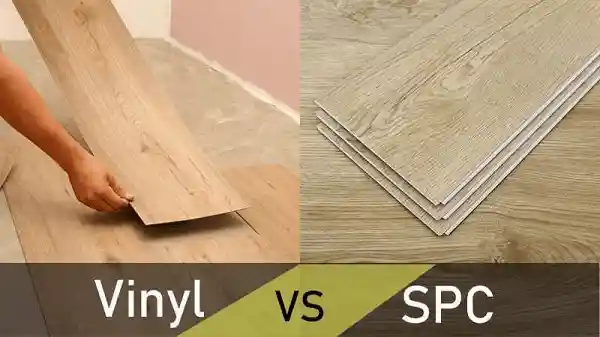
Why SPC Is Genuinely a Type of Vinyl, Not a Separate Category
This is worth clarifying immediately since it genuinely trips up many first-time buyers. Vinyl flooring is a broad family of PVC-based synthetic flooring, and within this family sit several distinct formats, cheap sheet vinyl rolls, flexible vinyl tiles, and rigid-core options like SPC and WPC. SPC specifically stands for Stone Plastic Composite, referring to its dense, rigid core made from roughly 60% limestone combined with plastic, a genuinely different construction from the softer, more flexible traditional vinyl that’s been around for decades.
This means the real question isn’t genuinely “SPC or vinyl,” it’s “should I choose traditional flexible vinyl or the newer rigid SPC version,” and understanding this framing helps you make a considerably more informed decision rather than treating them as entirely unrelated products.
Why SPC Genuinely Wins on Durability and Stability
This is where the rigid core genuinely makes a significant, measurable difference. SPC’s dense limestone-based core gives it phenomenal resistance to dents and heavy static loads, a genuinely important feature if you have heavy furniture, home gym equipment, or simply want flooring that won’t show pressure marks over time. Traditional flexible vinyl, being softer and thinner, genuinely dents and deforms more easily under sustained weight, making it less suitable for rooms with heavy, stationary furniture.
SPC also genuinely holds up better against heavy foot traffic, pets, and general daily wear compared to both flexible vinyl and even laminate flooring, making it the genuinely preferred choice for high-traffic areas like living rooms, hallways, and kitchens where consistent activity would gradually wear down softer flooring options.
Why Both Are Genuinely Waterproof, But SPC Handles Water Slightly Better
This is worth understanding precisely since both options genuinely perform well here, just not identically. Sheet vinyl is genuinely the most water-tight option in the entire vinyl family, its continuous, seamless surface leaves virtually no gaps for water infiltration. SPC is also fully waterproof, its rigid core contains no wood fibre that could absorb moisture, making both genuinely suitable for kitchens, bathrooms, and monsoon-prone Indian conditions.
The genuine practical difference shows up during actual accidents, a minor appliance leak or pet accident on SPC is considerably less likely to cause structural damage requiring full floor replacement, thanks to its dense, stable core, whereas flexible vinyl, while still waterproof at the surface, doesn’t offer quite the same structural resilience if water genuinely gets underneath through a compromised seam or edge.
Understanding the Genuine Cost Difference
This gap is genuinely significant and worth budgeting around carefully. Basic vinyl rolls in India typically start around ₹40 to ₹90 per square foot, self-adhesive LVT sits between ₹70 and ₹150 per square foot, while quality SPC rigid planks genuinely run from ₹120 up to ₹300 per square foot for thicker boards with stronger wear layers. Installation labour, where charged separately, adds another ₹20 to ₹60 per square foot depending on your city and subfloor complexity.
This means SPC genuinely costs meaningfully more than basic traditional vinyl, but this premium buys you considerably better dent resistance, structural stability, and a genuinely more premium look and feel underfoot, factors worth weighing against your specific room’s usage demands rather than automatically choosing the cheapest option available.
Why Installation Convenience Genuinely Differs Between the Two
This is a genuinely practical consideration for anyone doing this themselves or working with a limited timeline. SPC typically uses click-lock floating installation, meaning individual planks lock together without needing glue or nails, making it genuinely one of the more DIY-friendly flooring categories available, most homeowners can genuinely install several hundred square feet over a single weekend using basic tools.
Traditional flexible vinyl, particularly peel-and-stick tiles, offers its own genuine convenience advantage, especially for rented flats where you want a reversible upgrade that lifts out cleanly when you move without any demolition or permanent commitment to the existing floor. This makes flexible vinyl genuinely the better choice specifically for temporary living situations, while SPC suits homeowners planning a more permanent, long-term flooring solution.
Which Genuinely Suits Which Rooms in an Indian Home
Given India’s demanding climate, high humidity along the coasts, scorching summers, and months of monsoon dampness, both vinyl types genuinely handle these conditions considerably better than laminate or hardwood. SPC genuinely suits high-traffic living areas, kitchens, and spaces with heavier furniture where its rigid core’s stability matters most. Traditional flexible vinyl genuinely remains a smart, budget-friendly choice for bedrooms, guest rooms, or rental properties where lower cost and easy removability matter more than maximum durability.
For most modern Indian homes in 2026, SPC click planks have genuinely become the preferred default, offering the strongest overall balance of durability, waterproofing, and premium appearance, though traditional vinyl genuinely retains its place for specific budget-conscious or temporary situations where SPC’s additional cost isn’t genuinely necessary.
Frequently Asked Questions
Q1. Is SPC flooring genuinely worth the extra cost compared to basic vinyl for a typical Indian home?
For high-traffic areas and rooms with heavy furniture, yes genuinely, SPC’s rigid core provides considerably better dent resistance and structural stability, though for lower-traffic rooms or rental properties, basic flexible vinyl genuinely offers adequate performance at a lower price point.
Q2. Can I install SPC flooring myself without hiring a professional?
Yes, genuinely, SPC’s click-lock floating installation system is specifically designed to be DIY-friendly, most homeowners can install several hundred square feet over a weekend using basic tools without needing glue or nails.
Q3. Which option genuinely handles Indian monsoon humidity better, SPC or traditional vinyl?
Both are genuinely fully waterproof and handle humidity well, though SPC’s dense, stable core offers slightly better resilience if water genuinely gets underneath through a compromised edge or seam, making it marginally more forgiving in genuinely high-moisture areas.
Q4. Is traditional vinyl flooring genuinely a better choice for a rented apartment than SPC?
Often yes, genuinely, peel-and-stick vinyl tiles and sheets offer reversible, landlord-friendly installation that lifts out cleanly when you move without demolition, making traditional vinyl genuinely more practical for temporary living situations compared to SPC’s more permanent installation approach.