
Standing in a tile shop with two seemingly identical white squares in front of you, one priced at ₹40 per square foot and another at ₹120, you’d genuinely be forgiven for wondering what justifies triple the cost when both look practically the same. This exact confusion trips up countless Indian homeowners every year, and the answer genuinely lies beneath the surface, in how these tiles are manufactured, how much water they absorb, and how they’ll actually hold up in your specific rooms over the coming decade.
Here’s why understanding this genuinely matters beyond just picking whatever looks nice in the showroom: choosing the wrong tile for the wrong room, ceramic in a flood-prone bathroom, or premium vitrified in a rarely-used guest room, means either genuine water damage down the line or simply overspending on durability you never needed. Getting this right means matching the tile’s actual performance characteristics to where it’s actually going in your home.
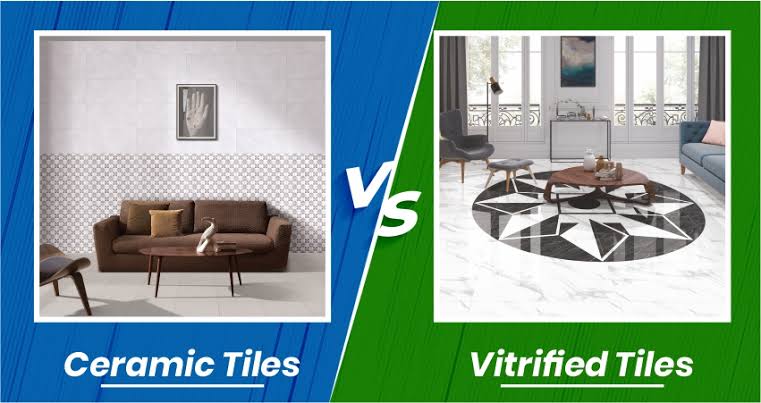
Why the Manufacturing Difference Genuinely Changes Everything
Understanding this single distinction genuinely explains every other difference between these two tile types. Ceramic tiles are made from natural clay fired at lower temperatures, resulting in a genuinely softer, more porous body with a glazed surface finish. Vitrified tiles undergo an additional process, combining clay with silica, quartz, and feldspar, fired at considerably higher temperatures until the entire body vitrifies into a dense, glass-like structure.
This isn’t a minor technical distinction, it’s genuinely the reason vitrified tiles cost more and perform better across nearly every practical measure. The higher firing temperature creates a structurally denser tile throughout its entire thickness, not just on the glazed surface, meaning the durability advantage runs all the way through the material rather than existing only as a thin protective coating.
Why Water Absorption Genuinely Determines Where Each Tile Belongs
This is genuinely the most important practical difference to understand before choosing either option. Ceramic tiles typically absorb between 5% and 10% of water, while vitrified tiles absorb less than 0.5%, some premium variants achieving as low as 0.1%. This dramatic gap genuinely means vitrified tiles are far better suited to moisture-prone areas, bathrooms, kitchens, and balconies exposed to Indian monsoon rains, where standing water and humidity are genuinely constant concerns.
Ceramic tiles, given their higher porosity, genuinely work better suited to walls and lower-traffic areas where moisture exposure stays minimal, rather than flooring in genuinely wet zones. This water absorption difference alone genuinely explains why most tile guides specifically steer buyers away from ceramic flooring in bathrooms unless it’s specifically rated and glazed for that exact purpose.
Understanding the Genuine Cost Gap You’re Actually Paying For
This price difference is genuinely significant and worth understanding clearly. Ceramic tiles typically start around ₹20 to ₹60 per square foot, while vitrified tiles genuinely run ₹40 to ₹180 per square foot depending on quality and finish. Installation costs add another layer too, ceramic tile installation typically runs ₹10 to ₹18 per square foot in most markets, while vitrified tiles, being denser and often larger format, need ₹15 to ₹25 per square foot given the more skilled cutting and handling they require.
This means for a large area like an entire home’s flooring, choosing vitrified over ceramic genuinely adds a meaningful amount to your total renovation budget, but this additional cost genuinely buys you a considerably longer lifespan and near-zero ongoing maintenance in return, a trade-off worth weighing against your specific budget constraints and how long you plan to stay in the property.
Why Durability Genuinely Favours Vitrified for High-Traffic Zones
Vitrified tiles are genuinely more resistant to scratches, stains, and general wear, thanks to their dense, non-porous structure, making them the clear choice for living rooms, hallways, and other high-footfall areas where ceramic’s softer body would genuinely show wear considerably faster. Ceramic tiles, while perfectly serviceable, are genuinely better suited to lighter-use spaces, bedroom floors in a quiet household, or bathroom and kitchen walls where they won’t face constant foot traffic or heavy impact.
This durability gap genuinely compounds over time too, a ceramic floor in a busy hallway might need replacement or show visible wear within a decade, while a properly installed vitrified floor in the same location genuinely maintains its appearance for considerably longer, making the higher upfront cost genuinely pay for itself through reduced replacement frequency.
Why Design Variety Genuinely Still Favours Ceramic in Certain Categories
It’s worth being fair to ceramic here rather than assuming vitrified wins on every single metric. Ceramic tiles genuinely offer wider variety in certain aesthetic categories, particularly rustic, vintage, and heavily textured finishes that some homeowners specifically want for accent walls or decorative touches. Vitrified tiles typically lean toward more modern finishes, high-gloss, matte, and sleek textured surfaces, meaning your specific design vision genuinely matters alongside pure performance metrics when making this choice for visible, decorative areas of your home.
What Most Indian Homes Genuinely Choose in 2026
For roughly 90% of Indian homes, vitrified tiles have genuinely become the default recommendation for flooring specifically, balancing durability, contemporary design options, and reasonable cost for the performance delivered. Ceramic tiles genuinely retain their place for wall applications, bathroom and kitchen tiling specifically, where their lighter weight, easier cutting, and lower cost make genuine practical sense without sacrificing performance in a context that doesn’t demand vitrified’s superior floor durability.
Frequently Asked Questions
Q1. Can I genuinely use ceramic tiles for my living room floor instead of vitrified?
Yes, technically you can, but ceramic tiles are better suited to lower-traffic areas, if your living room sees consistent daily foot traffic and furniture movement, vitrified tiles will genuinely hold up considerably better over time without showing early wear or scratches.
Q2. Are vitrified tiles genuinely worth the extra cost for a bathroom specifically?
Yes, genuinely, given how much water exposure bathrooms face daily, vitrified tiles’ near-zero water absorption makes them considerably more practical for bathroom flooring specifically, protecting against moisture-related damage that ceramic’s higher porosity makes more likely over time.
Q3. Which tile is genuinely easier to maintain on a daily basis?
Vitrified tiles are genuinely easier to maintain, their non-porous, glass-like surface simply wipes clean and resists staining, while ceramic tiles, being more porous, can require more careful, frequent cleaning to prevent stains from setting into the surface over time.
Q4. Is it genuinely fine to mix both tile types within the same home?
Yes, genuinely, and this is actually common practice, using vitrified tiles for high-traffic flooring like living rooms and hallways while choosing ceramic tiles for bathroom and kitchen walls genuinely optimises both cost and performance across different areas of your home based on their specific usage demands.