
Standing in Hyderabad’s punishing summer heat with your air conditioner working overtime, you might genuinely notice something surprising, the room facing windows with poor insulation feels considerably hotter than an identical room next door with better-sealed frames. Windows genuinely affect your indoor temperature, energy bills, and noise levels far more than most homeowners realise, and choosing between UPVC and aluminium isn’t purely an aesthetic decision, it genuinely shapes your daily comfort and electricity costs for decades to come.
Here’s why this comparison genuinely deserves careful thought rather than defaulting to whichever your contractor happens to recommend: UPVC and aluminium perform fundamentally differently in India’s varied climate, and the right choice genuinely depends on your specific city, floor level, and whether you’re prioritising thermal comfort or structural strength for large glass openings. Understanding these genuine trade-offs matters before you commit to windows you’ll be living with for the next twenty-plus years.
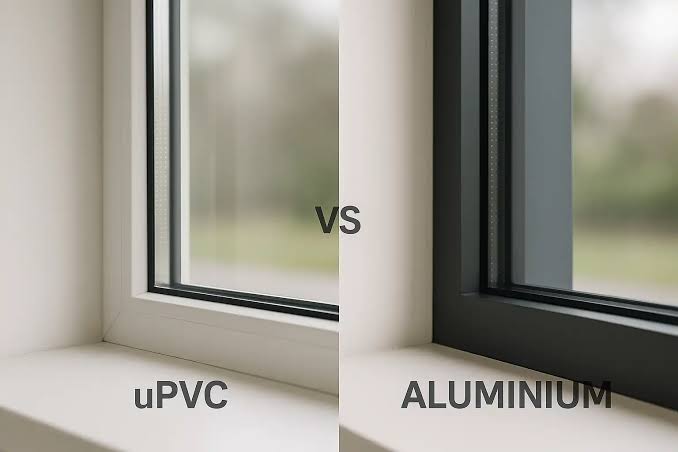
Why Thermal Insulation Genuinely Favours UPVC in Most Indian Homes
This is genuinely UPVC’s strongest advantage, and it matters enormously given India’s extreme summer heat. UPVC is a poor conductor of heat, meaning it naturally resists heat transfer from outside to inside, and compared to aluminium, UPVC can lower heat transfer by up to 50%, translating directly into cheaper air conditioning costs throughout Indian summers. Aluminium, by contrast, is easily heated without specific treatment, meaning rooms with aluminium windows genuinely tend to feel warmer and require more cooling effort unless you specifically invest in thermal break technology.
This genuine insulation gap is precisely why UPVC has become the recommended default for extreme heat zones like Ahmedabad, Jaipur, and Nagpur, where reducing your cooling burden matters considerably more than the structural strength aluminium offers for large glazed openings you might not even need in a standard residential window.
Why Aluminium Genuinely Wins on Structural Strength and Large Openings
It’s genuinely worth being fair to aluminium here, since UPVC doesn’t win every single measure. Aluminium certainly prevails in structural stability and strength, capable of supporting large glass panels and strong wind loads, which is precisely why it’s chosen for commercial structures and skyscrapers where UPVC simply couldn’t provide adequate support. If your home design genuinely calls for expansive floor-to-ceiling windows or large sliding glass doors, aluminium’s slim, modern profiles handle this architectural ambition considerably better than UPVC’s typically bulkier frame requirements.
Aluminium also genuinely offers superior longevity in raw lifespan terms, lasting beyond 30 years compared to UPVC’s typical 20 to 25 years, though this advantage comes with an important caveat, aluminium can corrode over time in coastal or salty environments if not properly treated, while UPVC genuinely remains more stable in humid conditions since it doesn’t rust or corrode at all.
Understanding the Genuine Cost Comparison
Pricing genuinely varies by source, but the consistent pattern across current estimates shows UPVC typically running ₹400 to ₹1,200 per square foot, while aluminium spans a similarly wide ₹350 to ₹1,600 per square foot depending on whether you’re choosing basic systems or premium thermally broken profiles. The genuine cost gap widens considerably at the premium end, thermal break aluminium windows, needed to match UPVC’s insulation performance, can cost 30 to 40% more than equivalent UPVC systems, meaning aluminium’s structural and aesthetic advantages come with a genuine price premium once you’re trying to match UPVC’s thermal efficiency.
Even where aluminium costs roughly the same as UPVC at entry level, UPVC genuinely proves significantly cheaper over a 10-year period once you factor in lower maintenance requirements and considerably better energy efficiency reducing your ongoing cooling costs.
Why Sound Insulation Genuinely Favours UPVC for Noisy Indian Cities
This matters enormously given growing noise pollution across Indian cities. UPVC systems benefit from multi-chamber profiles and superior sealing, providing genuinely stronger acoustic insulation than standard aluminium systems, whose sound performance depends heavily on glazing type and frame design rather than the frame material’s inherent properties. For homes facing busy roads or in genuinely noisy urban environments, UPVC’s acoustic advantage translates into a noticeably quieter living space without needing additional soundproofing investment.
Why Resale Value Genuinely Tells a Different Story Than Daily Comfort
This is worth knowing specifically if you’re building for investment purposes rather than personal residence. In India’s 2026 real estate market, aluminium windows, particularly slim-profile, thermally broken systems with double glazing, genuinely signal a premium project and hold up visually over time, while UPVC windows, especially if yellowed or degraded from poor quality or installation, can genuinely reduce perceived property quality at resale. For investment properties specifically in metros like Mumbai, Pune, or Bengaluru, aluminium genuinely scores higher on resale impact, even though UPVC might deliver better day-to-day comfort for actual residents.
Making the Genuinely Right Choice Based on Your Specific Situation
Given these genuine trade-offs, the smartest approach matches material to your actual priorities rather than following a universal recommendation. If you’re building in extreme heat zones, renovating with aesthetics as a secondary concern, or installing standard residential-sized windows on lower floors, UPVC’s thermal efficiency and lower upfront cost genuinely make it the sensible default. If you’re pursuing large glazed openings, building or investing in premium properties where resale value matters, or constructing in coastal areas where UPVC’s corrosion resistance still applies but structural demands favour aluminium’s strength, thermally broken aluminium genuinely justifies its higher cost for these specific applications.
Frequently Asked Questions
Q1. Is UPVC genuinely the better choice for extremely hot Indian cities like Ahmedabad or Jaipur?
Yes, genuinely, UPVC’s poor heat conductivity reduces heat transfer by up to 50% compared to standard aluminium, making it the recommended default specifically for extreme heat zones where reducing air conditioning costs matters more than aluminium’s structural advantages for large openings.
Q2. Does aluminium genuinely rust in India’s coastal, humid climate?
Aluminium doesn’t rust like iron, but it can genuinely corrode over time in coastal or salty environments if not properly treated with quality surface finishes, while UPVC remains more inherently stable in humid conditions since it doesn’t corrode at all.
Q3. Which material genuinely offers better resale value for an investment property?
Aluminium generally scores higher for resale purposes, particularly slim-profile, thermally broken systems with double glazing, since these signal a premium project to buyers, while UPVC windows that yellow or degrade over time can genuinely reduce perceived property quality at resale.
Q4. Is UPVC genuinely enough for reducing outside noise, or do I need additional soundproofing?
UPVC’s multi-chamber profiles and superior sealing genuinely provide strong acoustic insulation on their own for most residential applications, making additional soundproofing generally unnecessary unless you’re facing an exceptionally noisy environment requiring specialised acoustic glazing regardless of frame material.