
Walk into a furniture showroom anywhere in India, and you’ll genuinely get a confident answer the moment you ask which wood is better, teak or sheesham. Here’s what most salespeople genuinely won’t tell you upfront: there isn’t a single universal winner, the actual answer depends entirely on how you plan to use the furniture, your budget, and whether you’re furnishing a humid coastal home or a drier inland apartment. Both are genuine hardwoods with real pedigree, and understanding what each one actually delivers genuinely matters before you commit to furniture you might be living with for decades.
Here’s why this comparison genuinely deserves careful thought rather than simply trusting whichever wood your local carpenter prefers working with: teak and sheesham genuinely differ dramatically in moisture resistance, price, and even how well they respond to hand carving, and choosing the wrong one for your specific climate or furniture type genuinely means either overspending on durability you don’t need, or underspending on protection your humid home genuinely requires.
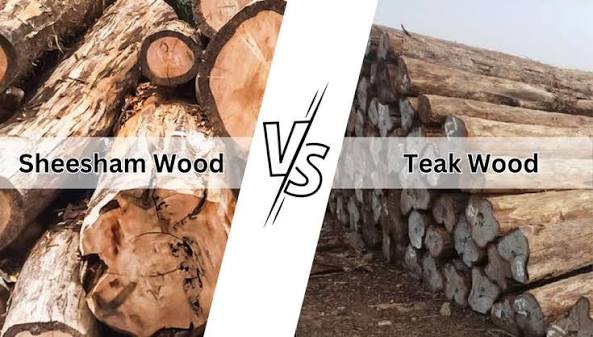
Why Teak’s Natural Oil Content Genuinely Makes It the Premium Standard
This is genuinely teak’s defining advantage, and it explains why it’s considered the golden standard for premium furniture across India. Teak is full of natural oils that make it inherently resistant to water, termites, and decay, and this natural protection genuinely means teak furniture can last 80 to 100 years or more with minimal maintenance, requiring no frequent polishing or chemical treatment since its own oils keep it stable even through changing weather and India’s fluctuating humidity conditions.
This genuine natural resilience is precisely why teak is widely regarded as the benchmark for outdoor applications and humid climates specifically, coastal cities dealing with constant moisture exposure genuinely benefit from teak’s inherent resistance in ways that other woods simply can’t match without ongoing artificial treatment.
Why Sheesham Genuinely Delivers Strong Value Without Teak’s Price Tag
It’s genuinely worth being fair to sheesham here, since it remains India’s most popular furniture wood for genuinely sound reasons. Quality sheesham furniture is typically 40 to 60% less expensive than comparable teak for equivalent construction quality and size, and despite this considerably lower cost, sheesham genuinely delivers real hardwood durability, resistant to termites and decay, dense enough for daily-use furniture like beds, cupboards, and storage units that see constant handling.
Sheesham genuinely lasts 20 to 30 years with proper care, a meaningfully shorter lifespan than teak’s multi-generational potential, but genuinely sufficient for most households that don’t necessarily expect their furniture to be passed down for a century. For buyers wanting genuine solid hardwood without teak’s premium price, sheesham genuinely represents the practical, value-focused choice most Indian homes have relied on for generations.
Why Sheesham Genuinely Wins for Carved and Artisanal Furniture
This is a genuinely underappreciated distinction worth knowing before choosing between the two. Sheesham’s density and grain structure respond exceptionally well to hand carving, making it the preferred choice for traditional Indian furniture featuring carved motifs, inlay work, and decorative detailing, exactly why the majority of India’s celebrated carved furniture, from Jodhpur and Jaipur’s exportable pieces to traditional bedroom sets, uses sheesham as its primary material.
Teak, by contrast, is genuinely excellent for machined and joinery-based construction, but less favoured for fine hand carving due to its natural silica content, which genuinely makes detailed carving work more difficult compared to sheesham’s more carving-friendly grain. If you’re specifically drawn to ornately carved, traditional Indian furniture designs, sheesham genuinely remains the material of choice regardless of teak’s other advantages.
Understanding the Genuine Hardness and Structural Comparison
This is worth knowing in concrete terms rather than vague impressions. Sheesham has a Janka hardness of around 1,660 lbf, placing it firmly in the hardwood category, while teak ranges from approximately 1,155 lbf for plantation-grown wood up to 2,330 lbf for old-growth teak. This means genuine teak quality varies considerably depending on whether you’re buying plantation-grown or older, denser teak, and it’s genuinely worth verifying which type you’re purchasing, since plantation teak, while still a hardwood, offers somewhat less density than sheesham in some cases, contrary to teak’s overall premium reputation.
Why Moisture Resistance Genuinely Determines Your Best Choice by Region
This is genuinely the most practical, climate-specific factor to weigh. Sheesham lacks teak’s natural moisture resistance, making it genuinely better suited for indoor usage only, while teak’s tight grain structure and natural silica content genuinely enhance its resistance to warping, cracking, and swelling, a crucial advantage in India’s fluctuating humidity. For homes in genuinely humid coastal regions like Mumbai, Chennai, or Kochi, teak’s superior moisture handling genuinely justifies its higher cost, while drier inland cities can comfortably rely on sheesham without facing the same moisture-related deterioration risk.
Why Appearance Genuinely Comes Down to Personal Preference
Neither wood universally wins on looks, it depends entirely on your aesthetic taste. Teak offers a tight, straight-lined grain producing a clean, premium, and timeless look well-suited to contemporary furniture design. Sheesham genuinely delivers more varied, irregular natural grain, producing distinctive golden-brown to dark brown tones with contrasting patterns that many buyers genuinely find more visually striking and characterful than teak’s more uniform appearance.
Frequently Asked Questions
Q1. Is teak wood genuinely always the better choice regardless of budget?
Not necessarily, teak’s higher cost and superior moisture resistance genuinely make sense for humid climates or furniture you want to last multiple generations, but sheesham delivers genuine hardwood durability at 40-60% lower cost, making it the more practical choice for most everyday indoor furniture needs.
Q2. Why does sheesham furniture genuinely work better for carved, traditional designs than teak?
Sheesham’s density and grain structure respond exceptionally well to hand carving, while teak’s natural silica content genuinely makes detailed carving work more difficult, which is why India’s traditional carved furniture from regions like Jodhpur and Jaipur predominantly uses sheesham as the primary material.
Q3. How much longer does teak furniture genuinely last compared to sheesham?
Teak furniture typically lasts 40 to 100+ years depending on quality and care, considerably longer than sheesham’s 20 to 30 year lifespan, though sheesham’s genuinely sufficient durability for most households makes this longevity gap less relevant unless you’re specifically planning multi-generational furniture investment.
Q4. Should I choose teak specifically if I live in a coastal or particularly humid Indian city?
Yes, genuinely, teak’s natural oil content and tight grain structure provide considerably better resistance to warping and moisture damage in humid conditions, making it the more sensible choice for coastal cities like Mumbai, Chennai, or Kochi compared to sheesham, which is better suited to drier, more moderate climates.