
Food safety is an essential part of maintaining good health. Eating spoiled food can lead to foodborne illnesses caused by harmful bacteria, viruses, or molds. While some spoiled foods show obvious signs such as mold or a foul smell, others may appear normal but still be unsafe to eat. Knowing how to identify spoiled food can help prevent food poisoning, reduce food waste, and ensure that the meals you prepare are both safe and enjoyable.
This guide explains the common signs that indicate food has gone bad and provides practical tips for storing food safely.
Why Food Goes Bad
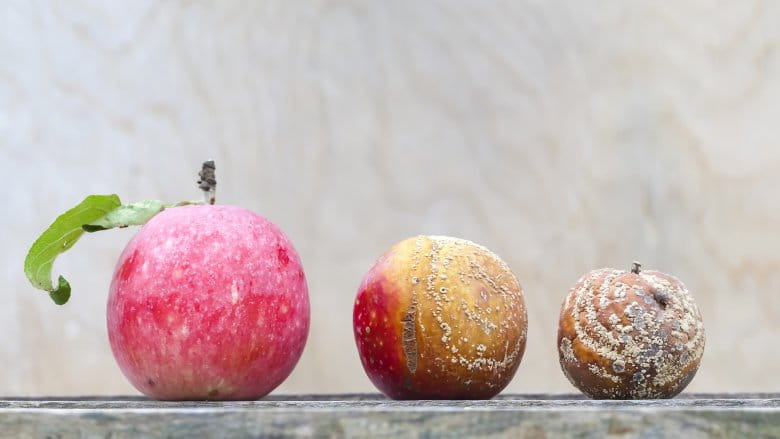
Food naturally begins to spoil due to the growth of bacteria, yeast, and mold. Factors such as heat, moisture, oxygen, and improper storage speed up this process. Although refrigeration and freezing slow spoilage, they do not keep food fresh forever.
Spoiled food not only loses its taste and texture but can also become harmful if consumed.
Check the Expiration Date
One of the first things to do is look at the food label.
Common date labels include:
- Best Before: Indicates when the product is likely to have the best quality. The food may still be safe after this date if stored properly.
- Use By: Indicates the last recommended date for safe consumption. Foods past this date should generally not be eaten.
- Sell By: A guide for retailers. Consumers can often use the product for some time afterward if it has been stored correctly.
Always follow storage instructions printed on the packaging.
Look for Changes in Appearance
Visual changes are often the easiest way to identify spoiled food.
Watch for:
- Mold growth
- Unusual discoloration
- Slimy surfaces
- Excess moisture
- Dry, shriveled texture
- Separation in foods that normally remain mixed
For example, vegetables may develop dark spots, fruits may become moldy, and meat may change from bright red to gray or green.
If mold appears on soft foods like bread, berries, yogurt, or cooked meals, it is safest to discard the entire item.
Smell the Food Carefully
A bad odor is one of the strongest indicators of spoilage.
Spoiled food may smell:
- Sour
- Rotten
- Rancid
- Ammonia-like
- Fermented when it shouldn’t
Fresh meat, milk, seafood, and eggs should have only a mild natural smell. If the odor seems unpleasant or unusual, do not eat the food.
Feel the Texture
Changes in texture often indicate bacterial or mold growth.
Examples include:
- Slimy vegetables
- Sticky meat
- Mushy fruits
- Thickened milk
- Soft spots on firm produce
Fresh food should have its normal texture. If it feels unusually sticky, slippery, or excessively soft, it is best to throw it away.
Watch for Mold
Mold appears as fuzzy patches that may be:
- White
- Green
- Blue
- Black
- Gray
While some cheeses are intentionally mold-ripened, unexpected mold on most foods means they should be discarded.
Even if mold is visible only on one section of soft food, invisible mold roots may have spread throughout the entire product.
Check Dairy Products
Milk, yogurt, cream, and cheese spoil if left at improper temperatures.
Signs include:
- Sour smell
- Curdled texture
- Lumps
- Mold
- Unusual color
If milk smells sour or yogurt develops mold, discard it immediately.
Inspect Meat and Poultry
Fresh meat should have a clean appearance and mild smell.
Spoiled meat may show:
- Gray, green, or brown discoloration
- Sticky or slimy surface
- Sour or rotten odor
- Excess liquid in the package
Never taste meat to determine if it is spoiled.
Cooking spoiled meat does not always destroy harmful toxins produced by bacteria.
Examine Seafood
Seafood spoils quickly and requires careful attention.
Signs of spoiled seafood include:
- Strong fishy or ammonia smell
- Slimy texture
- Dull appearance
- Cloudy eyes on whole fish
- Loose flesh
Fresh seafood should smell clean and slightly salty, not overwhelmingly fishy.
Inspect Fruits and Vegetables
Fresh produce naturally softens as it ripens, but excessive softness often indicates spoilage.
Discard fruits and vegetables that have:
- Mold
- Large soft spots
- Leaking juice
- Rotten smell
- Significant discoloration
Removing one spoiled fruit from a storage basket quickly can prevent nearby produce from spoiling.
Check Leftovers Carefully
Leftover food should not remain in the refrigerator indefinitely.
As a general guideline:
- Refrigerate leftovers within two hours of cooking.
- Eat refrigerated leftovers within 3–4 days.
- Freeze leftovers if they will not be eaten soon.
Discard leftovers if they develop unusual odors, mold, or texture changes.
Never Rely Only on Taste
Some dangerous bacteria, including those that cause food poisoning, do not change a food’s taste, smell, or appearance.
Never taste food simply to check whether it is safe.
If you suspect spoilage, it is always safer to discard the food.
Store Food Properly
Proper storage greatly reduces spoilage.
Helpful practices include:
- Refrigerate perishable foods promptly.
- Freeze foods for long-term storage.
- Keep raw meat separate from ready-to-eat foods.
- Store food in airtight containers.
- Maintain refrigerator temperatures below 4°C (40°F).
- Keep freezers at -18°C (0°F) or below.
Correct storage helps preserve freshness and reduces bacterial growth.
Common Mistakes to Avoid
Avoid these common food safety mistakes:
- Ignoring expiration dates.
- Leaving cooked food at room temperature for too long.
- Refreezing fully thawed food without cooking it first.
- Eating food with an unusual smell or appearance.
- Storing raw and cooked foods together.
- Assuming cooking always makes spoiled food safe.
Benefits of Recognizing Spoiled Food
Learning to identify spoiled food offers several advantages:
- Prevents foodborne illnesses.
- Protects your family’s health.
- Reduces the risk of bacterial contamination.
- Encourages proper food storage habits.
- Helps you make safer decisions in the kitchen.
Conclusion
Knowing how to tell if food has gone bad is an important skill that helps protect your health and improve food safety at home. By checking expiration dates, inspecting the appearance, smelling the food, feeling its texture, and storing it correctly, you can identify spoilage before it becomes a health risk. Remember that when in doubt, it is always safer to throw questionable food away rather than risk food poisoning. Combining proper storage practices with regular food inspection ensures that the meals you prepare remain fresh, nutritious, and safe for everyone to enjoy.