
Leftovers are a convenient way to save time, reduce food waste, and enjoy delicious meals without cooking from scratch. However, reheating food improperly can leave it dry, rubbery, or unevenly heated. Whether you’re warming up rice, pasta, pizza, chicken, or vegetables, using the right reheating method helps preserve moisture, flavor, and texture. With a few simple techniques, you can make leftovers taste almost as fresh as when they were first cooked.
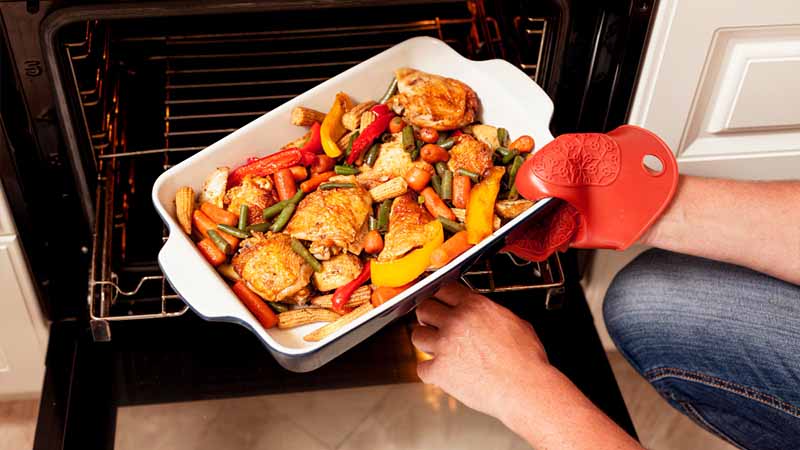
Why Food Dries Out During Reheating
Food loses moisture when exposed to high heat for too long. Microwaves, ovens, and stovetops can cause water inside the food to evaporate, resulting in dry meat, hard rice, and tough bread.
The key to successful reheating is using gentle heat and adding moisture when needed.
Store Leftovers Properly First
Proper reheating starts with proper storage.
To keep leftovers fresh:
- Cool cooked food within two hours.
- Store food in airtight containers.
- Refrigerate leftovers promptly.
- Consume refrigerated leftovers within 3–4 days.
Well-stored food retains more moisture and reheats better than food left uncovered.
Reheat Food Evenly
Instead of heating food at a very high temperature, use moderate heat for a slightly longer time.
This helps warm the food evenly without drying the outside before the center becomes hot.
Stir soups, curries, and pasta halfway through reheating to distribute heat evenly.
Add Moisture When Reheating
One of the easiest ways to prevent food from drying out is to add a little moisture before reheating.
For example:
- Sprinkle a tablespoon of water over rice.
- Add a splash of milk to mashed potatoes.
- Mix a little broth into meat dishes.
- Add extra pasta sauce to noodles.
Covering the food while reheating traps steam, which helps restore moisture.
Best Ways to Reheat Different Foods
Rice
Rice can become hard after refrigeration.
To keep it soft:
- Sprinkle 1–2 tablespoons of water over the rice.
- Cover with a microwave-safe lid or damp paper towel.
- Heat in short intervals, stirring occasionally.
The steam softens the grains and prevents dryness.
Pasta
Pasta often absorbs sauce during storage.
For pasta with sauce:
- Add a small amount of water or extra sauce.
- Heat on the stovetop over low heat or in the microwave while covered.
For plain pasta:
- Dip it briefly in boiling water for about 30 seconds before draining.
Pizza
Avoid microwaving pizza if you want a crispy crust.
Instead:
- Reheat it in a skillet over medium-low heat.
- Cover the pan for a few minutes.
- Alternatively, bake it in a preheated oven at 180°C (350°F) for about 8–10 minutes.
This keeps the crust crisp while melting the cheese evenly.
Chicken
Chicken dries out quickly if overheated.
To maintain moisture:
- Add a few tablespoons of chicken broth or water.
- Cover with foil if using the oven.
- Heat at 160–170°C (320–340°F) until warmed through.
Avoid overcooking.
Meat
Beef, pork, and other meats benefit from slow reheating.
Wrap the meat in foil with a little broth or gravy before placing it in the oven.
This helps keep the meat juicy and tender.
Vegetables
Steamed vegetables are best reheated using:
- A microwave with a splash of water.
- A steamer.
- A covered skillet over low heat.
Avoid cooking them too long, as they can become mushy.
Using the Microwave Correctly
The microwave is convenient but can easily dry out food if used incorrectly.
Follow these tips:
- Cover food with a microwave-safe lid.
- Heat at medium power instead of maximum power.
- Stir halfway through reheating.
- Heat in short intervals of 30–60 seconds.
Medium power heats food more evenly and helps retain moisture.
Reheating in the Oven
The oven works well for casseroles, baked dishes, pizza, roasted vegetables, and meats.
Tips include:
- Cover dishes with aluminum foil.
- Add a small amount of liquid if needed.
- Use moderate temperatures between 160–180°C (320–350°F).
Covering food prevents moisture from escaping too quickly.
Reheating on the Stovetop
Many foods reheat beautifully on the stovetop.
Ideal for:
- Soups
- Curries
- Sauces
- Stir-fries
- Rice
- Pasta
Cook over low to medium heat while stirring occasionally.
Add small amounts of water or broth whenever the food begins to look dry.
Avoid Reheating Food Multiple Times
Repeated reheating reduces food quality and increases the risk of bacterial growth.
Instead:
- Reheat only the portion you plan to eat.
- Leave the remaining leftovers refrigerated until needed.
This preserves both safety and taste.
Food Safety Tips
To ensure leftovers remain safe:
- Reheat food until it is steaming hot throughout.
- Stir thick dishes to eliminate cold spots.
- Do not leave reheated food at room temperature for extended periods.
- Discard leftovers that develop unusual odors, colors, or mold.
Proper food handling is just as important as proper reheating.
Common Mistakes to Avoid
Avoid these common reheating mistakes:
- Using very high heat.
- Forgetting to cover food.
- Skipping added moisture.
- Reheating food repeatedly.
- Overcooking leftovers.
- Leaving food uncovered in the refrigerator before reheating.
Benefits of Proper Reheating
Reheating food correctly offers several advantages:
- Preserves moisture and texture.
- Maintains better flavor.
- Reduces food waste.
- Saves time and money.
- Makes leftovers more enjoyable.
- Supports food safety when done properly.
Conclusion
Reheating leftover food without drying it out is easy when you use the right methods. Adding a little moisture, covering food while heating, using moderate temperatures, and choosing the best reheating technique for each type of food can make a significant difference in taste and texture. Whether you’re warming rice, pasta, pizza, meat, or vegetables, these simple tips help preserve freshness and prevent food from becoming dry or tough. By reheating leftovers properly, you can enjoy delicious meals, reduce food waste, and make the most of every home-cooked dish.