
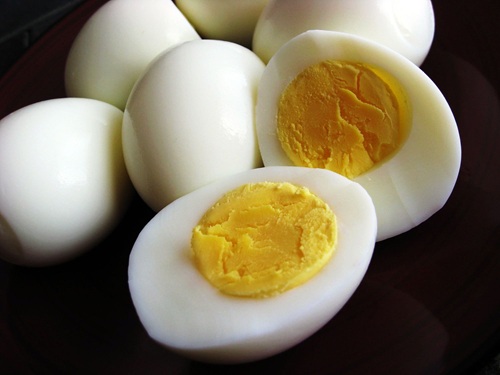
Boiled eggs are one of the simplest, healthiest, and most versatile foods you can prepare. They are packed with high-quality protein, essential vitamins, healthy fats, and minerals, making them an excellent choice for breakfast, salads, sandwiches, snacks, and meal prep. While boiling eggs may seem easy, achieving the perfect texture every time can be challenging. Overcooked eggs can develop a green-gray ring around the yolk and a rubbery texture, while undercooked eggs may have runny whites. Fortunately, with the right method and timing, you can boil eggs perfectly every time.
Why Properly Boiled Eggs Matter
Perfectly boiled eggs have tender whites, creamy or firm yolks depending on your preference, and shells that peel off easily. Using the correct cooking time also helps preserve the egg’s flavor and appearance.
Whether you prefer soft-boiled, medium-boiled, or hard-boiled eggs, following a few simple steps ensures consistent results.
Ingredients
You’ll need only a few basic ingredients:
- 4–6 fresh eggs
- Water (enough to cover the eggs)
- Ice cubes
- Cold water
Optional:
- A pinch of salt
- 1 teaspoon vinegar
Salt and vinegar may help reduce egg leakage if a shell cracks during cooking.
Step 1: Choose the Right Eggs
Slightly older eggs are usually easier to peel than very fresh eggs because the air pocket inside the shell becomes larger over time.
However, both fresh and older eggs can be boiled successfully using the correct technique.
Step 2: Place Eggs in a Saucepan
Arrange the eggs in a single layer at the bottom of a saucepan.
Avoid stacking the eggs on top of each other, as this increases the chance of cracking.
Step 3: Add Cold Water
Fill the saucepan with enough cold water to cover the eggs by about one inch (2–3 cm).
Starting with cold water allows the eggs to heat gradually, reducing the risk of cracked shells.
Step 4: Bring the Water to a Boil
Place the saucepan over medium-high heat.
Allow the water to come to a full rolling boil.
Once the water reaches a boil, reduce the heat slightly if necessary to prevent vigorous bubbling that may crack the eggs.
Step 5: Cook According to Your Preferred Doneness
The cooking time determines the texture of the yolk.
Soft-Boiled Eggs (6–7 Minutes)
Soft-boiled eggs have fully set whites and warm, creamy yolks.
They are perfect for:
- Toast
- Ramen
- Salads
- Breakfast bowls
Medium-Boiled Eggs (8–9 Minutes)
Medium-boiled eggs have firm whites and slightly creamy yolks.
These are excellent for:
- Sandwiches
- Grain bowls
- Light snacks
Hard-Boiled Eggs (10–12 Minutes)
Hard-boiled eggs have fully cooked whites and firm yolks.
They are ideal for:
- Egg salad
- Deviled eggs
- Lunch boxes
- Meal preparation
Avoid boiling eggs for longer than 12 minutes, as overcooking can produce a dry yolk and an unattractive green-gray ring.
Step 6: Prepare an Ice Bath
While the eggs are cooking, fill a large bowl with ice cubes and cold water.
As soon as the eggs finish cooking, transfer them immediately into the ice bath.
This sudden cooling stops the cooking process and prevents overcooking.
Step 7: Cool Completely
Leave the eggs in the ice bath for about 5–10 minutes.
Cooling the eggs completely makes peeling much easier and improves their texture.
Step 8: Peel the Eggs
Gently tap the egg on a hard surface until the shell cracks.
Roll it lightly to loosen the shell, then peel under running water if necessary.
Water helps separate the shell from the egg, making peeling easier.
Tips for Perfect Boiled Eggs
Follow these helpful tips for consistently excellent results:
- Start with cold water instead of hot water.
- Cook eggs in a single layer.
- Avoid overcrowding the pan.
- Use a timer for accurate cooking.
- Transfer eggs immediately to an ice bath.
- Peel slightly older eggs for easier shell removal.
- Store boiled eggs in the refrigerator if not eaten immediately.
Common Mistakes to Avoid
Many problems occur because of small mistakes during cooking.
Avoid these common errors:
- Boiling eggs for too long.
- Skipping the ice bath.
- Using very high heat throughout cooking.
- Adding eggs directly to boiling water without care.
- Leaving cooked eggs in hot water after cooking.
- Peeling eggs while they are still very hot.
How to Store Boiled Eggs
Hard-boiled eggs can be stored safely.
- Keep unpeeled eggs in the refrigerator for up to one week.
- Store peeled eggs in an airtight container.
- Consume peeled eggs within a few days for the best quality.
Avoid leaving boiled eggs at room temperature for more than two hours.
Health Benefits of Boiled Eggs
Boiled eggs are a nutritious addition to a balanced diet. They provide:
- High-quality protein for muscle growth and repair.
- Vitamin B12 for energy production.
- Vitamin D for bone health.
- Choline for brain function.
- Selenium and antioxidants for immune support.
- Healthy fats that help keep you satisfied.
Because they contain no added oil or butter, boiled eggs are also a healthy cooking option.
Conclusion
Learning how to boil eggs perfectly is a simple kitchen skill that delivers delicious and nutritious results every time. By starting with cold water, using the correct cooking time, and cooling the eggs immediately in an ice bath, you can achieve soft, medium, or hard-boiled eggs with ease. Proper timing prevents overcooking, while the ice bath ensures easy peeling and a smooth texture. Whether you’re preparing breakfast, meal-prepping for the week, or adding protein to your favorite dishes, perfectly boiled eggs are a quick, affordable, and versatile choice that fits into almost any healthy diet.