
Freezing is one of the easiest and most effective ways to preserve food for longer periods while reducing waste. Whether you want to store fresh vegetables, fruits, cooked meals, meat, or baked goods, proper freezing techniques help maintain flavor, texture, and nutritional value. However, simply placing food in the freezer is not enough. Improper freezing can lead to freezer burn, loss of quality, and food spoilage. By following a few simple guidelines, you can safely freeze food and enjoy it weeks or even months later.
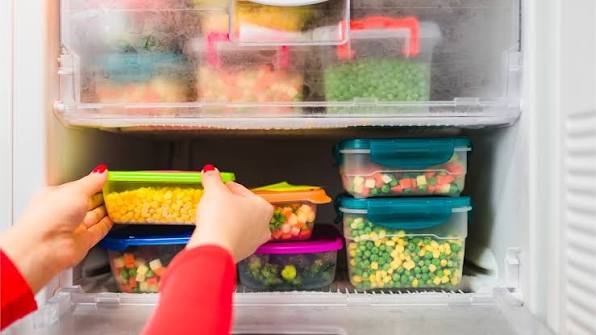
Why Freeze Food?
Freezing slows down the growth of bacteria, mold, and yeast by keeping food at very low temperatures. Although freezing does not kill all microorganisms, it prevents them from multiplying, making food safe to store for extended periods.
Some key benefits of freezing food include:
- Extends the shelf life of food.
- Reduces food waste.
- Saves money by preserving leftovers.
- Makes meal preparation easier.
- Helps retain nutrients when food is frozen properly.
Cool Food Before Freezing
One of the most important rules is to allow cooked food to cool before placing it in the freezer.
Hot food raises the freezer’s internal temperature, which may partially thaw nearby frozen items and reduce food safety.
Let cooked food cool at room temperature for about 30–60 minutes before packaging. However, avoid leaving food out for more than two hours.
Use Freezer-Safe Containers
Choose containers specifically designed for freezing.
Good options include:
- Freezer-safe plastic containers
- Glass containers labeled freezer-safe
- Heavy-duty freezer bags
- Vacuum-sealed bags
- Aluminum foil combined with freezer bags
Avoid thin plastic bags or regular food storage bags, as they can tear easily and allow air inside.
Remove Excess Air
Air is one of the biggest causes of freezer burn.
Before sealing freezer bags:
- Press out as much air as possible.
- Use vacuum sealing if available.
- Fill containers nearly full, leaving a small amount of space for liquids to expand during freezing.
Removing air helps preserve flavor and texture.
Divide Food into Portions
Freeze food in meal-sized portions instead of one large container.
Smaller portions:
- Freeze faster.
- Thaw more evenly.
- Reduce waste.
- Make meal planning easier.
For example, freeze soup in individual containers rather than one large pot.
Label Every Package
Always label frozen food with:
- Food name
- Date of freezing
- Quantity (if needed)
Labeling helps you use older food first and prevents mystery containers from accumulating in the freezer.
Freeze Fresh Produce Properly
Vegetables
Many vegetables freeze best after blanching.
Blanching involves:
- Boiling vegetables for 2–3 minutes.
- Immediately transferring them to ice water.
- Drying thoroughly before freezing.
Vegetables that benefit from blanching include:
- Broccoli
- Carrots
- Green beans
- Peas
- Cauliflower
Blanching helps preserve color, texture, and nutrients.
Fruits
Wash, dry, and cut fruits before freezing.
Many fruits can be frozen directly, including:
- Strawberries
- Blueberries
- Mangoes
- Pineapple
- Peaches
Spread fruit pieces on a baking tray first and freeze them individually before transferring them to freezer bags. This prevents them from sticking together.
Freeze Meat Safely
Fresh meat should be frozen as soon as possible if you don’t plan to cook it within a few days.
Wrap meat tightly using:
- Plastic wrap
- Aluminum foil
- Freezer paper
- Freezer bags
Double wrapping helps prevent freezer burn.
Store different types of meat separately to avoid cross-contamination.
Freeze Cooked Meals
Many cooked foods freeze exceptionally well, including:
- Rice
- Pasta
- Soups
- Curries
- Stews
- Casseroles
Allow meals to cool completely before packaging.
Use airtight containers to prevent moisture loss and maintain freshness.
Keep the Freezer at the Right Temperature
For safe food storage, maintain your freezer at -18°C (0°F) or below.
This temperature slows bacterial activity and preserves food quality for longer periods.
Avoid opening the freezer door frequently, as temperature fluctuations can affect frozen food.
Avoid Overloading the Freezer
Although it’s tempting to fill every available space, overcrowding blocks cold air circulation.
Leave enough room between packages so cold air can circulate freely and freeze food quickly.
Thaw Food Safely
Proper thawing is just as important as proper freezing.
Safe thawing methods include:
- Overnight in the refrigerator.
- Using the microwave’s defrost setting.
- Under cold running water in a sealed bag.
Never thaw food on the kitchen counter for extended periods, as bacteria can multiply rapidly at room temperature.
Common Freezing Mistakes to Avoid
Avoid these common errors:
- Freezing hot food.
- Using non-freezer-safe containers.
- Leaving excess air inside packaging.
- Forgetting to label frozen food.
- Refreezing food that has completely thawed.
- Keeping food in the freezer for excessively long periods.
Approximate Freezer Storage Times
For the best quality:
- Cooked meals: 2–3 months
- Vegetables: 8–12 months
- Fruits: 8–12 months
- Raw chicken: Up to 9 months
- Beef: 6–12 months
- Bread: 2–3 months
While frozen food often remains safe beyond these times if kept continuously frozen, its taste and texture may gradually decline.
Benefits of Proper Food Freezing
Following proper freezing techniques provides several advantages:
- Preserves food quality.
- Reduces grocery expenses.
- Saves cooking time.
- Supports meal prepping.
- Minimizes food waste.
- Keeps nutritious foods available year-round.
Conclusion
Freezing food properly is an excellent way to extend freshness, reduce waste, and make everyday cooking more convenient. By cooling food before freezing, using airtight freezer-safe containers, removing excess air, labeling packages, and maintaining the correct freezer temperature, you can preserve both the taste and nutritional value of your food. Whether you’re storing fresh produce, meat, leftovers, or prepared meals, these simple practices help ensure safe, high-quality frozen food that’s ready whenever you need it. With proper planning and organization, your freezer can become one of the most valuable tools in your kitchen.