
A homeowner in Pune recently discovered something genuinely worth knowing before you visit any flooring showroom, the ₹85 per square foot laminate they picked out eventually cost ₹142 per square foot once installation, underlayment, beading, and threshold strips got added. This isn’t a scam, it’s genuinely just how the flooring industry works, and understanding this upfront matters enormously whether you’re leaning toward real wood or its laminate imitation for your home.
Here’s why this decision genuinely deserves careful thought rather than a quick showroom impulse buy: wooden flooring can genuinely last anywhere from 15 years to well over a century depending on which type you choose, and the price gap between real wood and laminate is genuinely enormous, sometimes ten times the difference. Understanding exactly what you’re paying for, and what you’re genuinely giving up by choosing the cheaper option, helps you make a decision that actually fits your specific home and lifestyle.
Understanding What You’re Actually Comparing
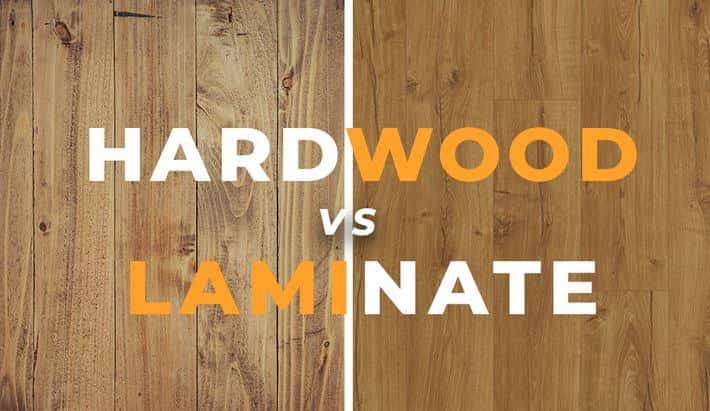
This distinction genuinely matters before diving into cost and durability. Solid hardwood flooring is genuine timber, cut and finished directly from wood species like teak, oak, or sal. Laminate flooring, by contrast, is entirely synthetic, multiple layers fused together with a high-resolution photographic layer replicating wood grain convincingly on top, sitting above a fibreboard core. Engineered wood sits genuinely in between, a thin layer of real wood veneer bonded onto a more stable plywood-like base, offering genuine wood aesthetics with somewhat better humidity tolerance than solid hardwood.
Understanding this spectrum genuinely matters because “wooden flooring” isn’t a single choice, it’s a genuine range spanning from budget laminate mimicking wood’s appearance to genuine century-lasting solid hardwood, with meaningfully different performance and cost at each point along that range.
Why the Genuine Lifespan Gap Is Enormous
This is genuinely the single biggest factor separating these options. Solid hardwood flooring can genuinely last over 100 years with proper maintenance and periodic refinishing, engineered wood typically offers 30 to 50 years depending on veneer thickness, while quality laminate genuinely provides 15 to 25 years of service in residential settings. This isn’t a minor difference, it genuinely means laminate flooring you install today will likely need replacement within your own lifetime, while solid hardwood genuinely has the potential to outlast the home’s current owner entirely.
This longevity gap genuinely matters for how you think about the investment. If you’re planning to stay in a home for decades or want flooring that could genuinely become a lasting family asset, hardwood’s century-long potential lifespan genuinely justifies its higher upfront cost. If you’re renovating a rental property or a home you’ll likely sell within a decade, laminate’s shorter but genuinely adequate lifespan matches your actual timeline considerably better.
Understanding the Real Cost Difference
Laminate flooring genuinely starts around ₹70 to ₹150 per square foot for material, making it genuinely the most affordable wood-look option available. Engineered wood typically runs ₹150 to ₹400 per square foot all-in for mid-range options, while solid hardwood can genuinely reach ₹1,200 to ₹1,500 per square foot for premium species and finishes.
It’s genuinely worth remembering that material cost represents only 55 to 70% of your total investment, installation, subfloor preparation, underlayment, and accessories like beading and threshold strips genuinely add 30 to 50% on top of whatever price you saw advertised. For a typical 3BHK, keeping your total flooring budget realistic genuinely means budgeting well beyond the headline per-square-foot price you initially calculated.
Why Maintenance Requirements Genuinely Differ Considerably
This is where laminate genuinely pulls ahead for busy households. Laminate and engineered wood both require minimal daily maintenance, regular sweeping and occasional damp mopping, without any refinishing ever needed for laminate specifically, once it wears out, replacement is genuinely your only option. Engineered wood does allow one or two refinishing cycles depending on veneer thickness, typically needed every 7 to 15 years.
Solid hardwood genuinely demands considerably more ongoing attention, requiring consistent humidity control, a genuine consideration in India’s varying climate, and refinishing every 10 to 20 years costing ₹100 to ₹200 per square foot when needed. This ongoing maintenance investment genuinely adds to hardwood’s total cost of ownership over time, worth factoring in alongside the higher upfront price when comparing your genuine long-term expenses.
Why Teak Genuinely Suits Indian Homes Specifically
If you’re leaning toward genuine solid wood specifically, teak genuinely deserves particular consideration for Indian conditions. Teak’s natural resistance to humidity, termites, and fungi makes it genuinely well-suited to India’s varied climate, considerably more forgiving than imported wood species that weren’t originally designed to handle monsoon humidity and temperature swings. Other genuinely solid choices include sal, oak, and maple, though these may require somewhat more careful humidity management than teak’s naturally resilient properties provide.
Why Laminate’s Scratch Resistance Genuinely Surprises People
This is a genuinely underappreciated advantage worth knowing. Laminate flooring is genuinely more resistant to scratches than solid wood, its hard, photographic-layer surface handles daily foot traffic, furniture movement, and pet claws considerably better than genuine wood’s softer, more easily marked surface. Solid wood does offer a genuine long-term advantage in return, the ability to sand and refinish scratched or worn surfaces multiple times over its lifespan, something laminate simply cannot do once its surface wears through.
What Most Indian Homeowners Genuinely Choose in 2026
For most Indian households in 2026, engineered wood flooring genuinely offers the most practical balance, authentic wood aesthetics, reasonable mid-range pricing, considerably better humidity tolerance than solid hardwood, and a genuinely solid 25-plus year lifespan. Many homeowners genuinely reserve solid hardwood specifically for statement rooms like living areas where budget allows, while choosing quality laminate for bedrooms and lower-traffic spaces where cost savings genuinely make practical sense without meaningfully sacrificing daily comfort or appearance.
Frequently Asked Questions
Q1. Is laminate flooring genuinely durable enough for a busy Indian household with kids and pets?
Yes, genuinely, laminate’s hard, photographic-layer surface actually resists scratches better than solid wood in many cases, making it a genuinely practical choice for high-activity households, though it cannot be refinished once it wears out, unlike solid wood.
Q2. Why does teak get recommended so consistently for Indian homes over other wood species?
Teak’s natural resistance to humidity, termites, and fungi genuinely makes it considerably more forgiving of India’s varied climate conditions compared to other wood species, reducing the risk of warping or damage that less naturally resilient woods might experience.
Q3. Is engineered wood genuinely a good compromise between laminate and solid hardwood?
Yes, genuinely, for most Indian homeowners in 2026, engineered wood offers authentic wood aesthetics with better humidity tolerance than solid hardwood, reasonable mid-range pricing, and a solid 25-plus year lifespan, making it a genuinely practical middle-ground choice.
Q4. Should I choose the same flooring type throughout my entire home, or mix laminate and solid wood?
Mixing is genuinely common and practical, many homeowners reserve solid hardwood for statement living areas where budget allows, while choosing quality laminate for bedrooms and lower-traffic spaces, optimising both cost and long-term value across different areas of the home.